Roda meets...Nick Holder
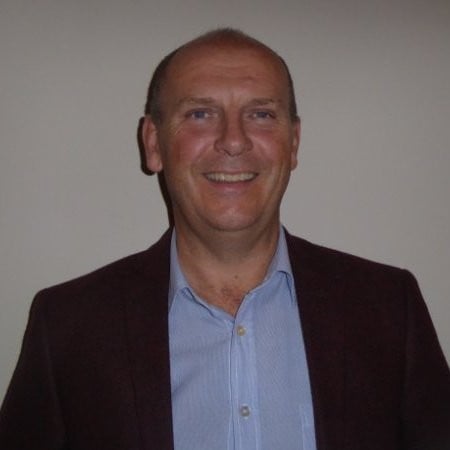
Nick Holder
Nick started his career in retail, working for Marks and Spencer and Arcadia before becoming Head of Operations for WH Smith. He then spent ten years running his own consulting business, helping clients such as GNER and Jet2 with their commercial strategies. In 2009 Nick moved into the social inclusion space, leading operations for major public sector outsourcers and charities, helping long-term unemployed people find work and most recently was Deputy Chief Executive of a large social care charity in South West England.
Alongside his day jobs, Nick is lifelong public servant, and is currently one of the nine strong Cabinet of Wilshire Council, with specific accountability for the Environment and Climate Change portfolio.
1. How do you approach designing strategy for your organisation?
The most important thing is a clear understanding of the market you’re operating in. You need to be clear in your head what trends and external factors are affecting it, and crucially, what are your competitors doing?
Then you need to ask what you are trying to achieve through your strategy. What is the core intent around which you build the strategy? I have found that lots of organizations have strategy conversations because they know they need to, but they lose sight of why they are really doing it! The aim of the exercise is to have a simple, focused, deliverable strategy and once your intent is clear, this is easier to design.
2. What were the biggest challenges you faced when implementing your strategy?
It is crucial to allow sufficient time for your people to understand what your strategy is...the core purpose, why some things are changing, and why some things are staying the same. Without that understanding, it’s hard to get buy-in to priorities.
Try to ensure people understand why some things are changing, and some things are not, but that these decisions are being made to deliver a compelling outcome.
3. How do you ensure your plans and priorities are understood by teams across the organisation?
Once a strategy has been set, leaders must take the time to go around the organization, sit down with staff to explain the plan and answer questions. Personal conversations in support of more formal communication are hugely powerful. Leaders should be direct with staff about plans and priorities and what it means for them and their role. People respect – and deserve – clarity.
Identify and work with advocates and help them filter any new strategy through their teams. This helps disseminate plans and priorities, connects teams who may feel slightly removed from the process and shows they are valued and important.
Recognize that there will always be renegades, naysayers who are resistant about any new direction. In my experience it is best not to spend too much time convincing them, as you just won’t! There is a huge risk that the renegades drag the people around them down, in which case you need to act.
4. What resources do you use to help you perform better at work?
Whilst resources like podcasts can be useful, it is important not to be overly reliant on them. Personal engagement is still key. Teams and Zoom are useful tools, but you cannot assume that your audience is with you in the same way that you can when face-to-face. I worry that younger generations coming through will miss out by relying too heavily on technology at the expense of building in-person relationships, developing the soft skills and learning from their peers in informal settings. I try to learn from my peers as much as possible, nothing beats real-life experience and listening to other people.
5. What is the best piece of advice you have ever been given, personal or professional?
Always employ people who are subject matter experts and let them be the experts. Just because you may be the leader, it does not mean you have to know everything. Surround yourself with good people, manage and lead them, but get out of the way of true expertise when needed.
6. In the last five years, what new belief, behaviour or habit has most improved your life?
A couple of things here.
Firstly, don’t sweat the small stuff. Save your energy and focus on the big things you can change, not the small.
Secondly, if you do not know the answer, don’t bullshit! Find out, ask an expert. Saying “I don’t know” is OK.
7. What are your biggest frustrations in your profession or area of expertise?
When people say not to get emotionally attached to the place and people you are working with. As a leader, you get more out of the job and your team if it is clear you care about them and the success of the organization you all serve. Knowing what makes your team tick is key.
8. What has been the most worthwhile investment in yourself that you have ever made?
Too many people settle in their work lives. It is important to take every opportunity you can, especially in your career. Staying in the same job for too long can limit your perspective. Take risks and do not be afraid of change...embrace it.
9. When you feel overwhelmed or unfocused, what do you do?
I am lucky to have a great support network at home and with friends, with whom I can talk about how I'm feeling or deal with problems when they arise. They help me break down what is going on to get to the heart of the issue. It can be hard if you are feeling overwhelmed to see a way forward and get to a solution.
Apart from that, having a beer with friends whilst watching Bath play rugby at the Rec works for me.
10. If you could, knowing what you do today, what advice would you give to yourself at 18 years old?
Firstly, I would tell myself to be a bit more relaxed about things and be more open to change. Understand that uncertainty is good, and an interesting place is a good place to be.
Secondly, at 18 you don’t need to have your career or life mapped out. Opportunities will come along, your life will have lots of bumps and changes so do not dwell on the bad decisions, just move on. Accept that life is not simple or straightforward. Recognize that at 18 your experience is a very narrow snapshot of the world and what other people are like.
And lastly, you are not as good or clever as you think you are!
__________
To receive future interviews direct in your inbox please sign up. You can also follow us on LinkedIn to receive updates on Roda meets content over the coming weeks.